AI in the arts: why the resistance runs so deep, and what each side is defending
Artificial intelligence is already part of the daily routine of film studios, record labels and art studios, but it still meets some resistance from the market and the public. Before deciding who is right, it is worth understanding what each side is defending, including the questions that law and technology cannot answer on their own.
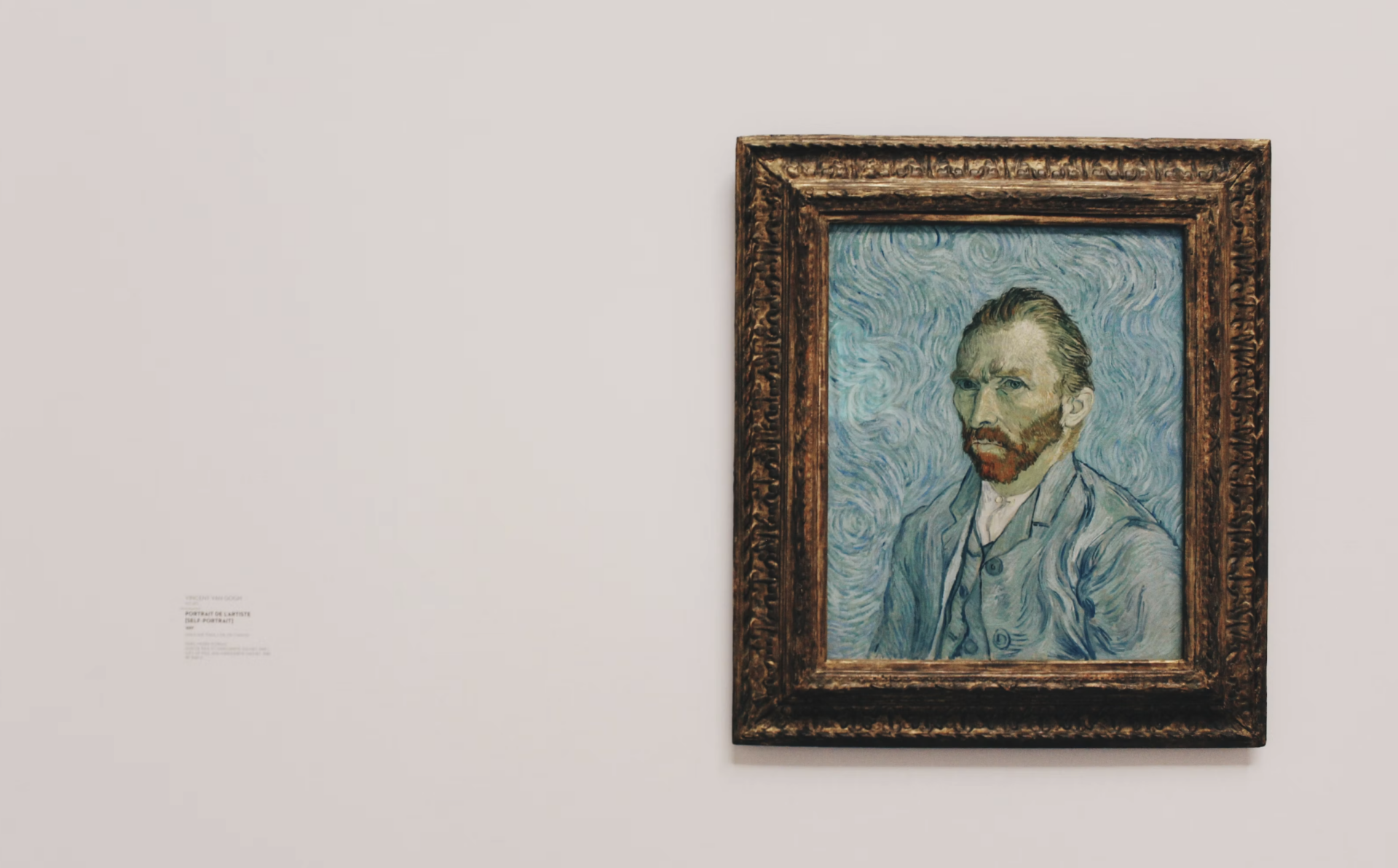
It is common to sum up the debate as "artists against the future". That reading misses the essential: most objections are not about the technology itself, but about how it was built, who profits from it and what it means to call something art. The debate has three points of view that rarely talk to each other: creators, industry and audience.
Creators: consent, work and identity
Consent. In January 2023, three visual artists filed one of the first lawsuits against AI companies, alleging that their works were used to train the systems without permission. The case now includes other authors, four companies and a summary judgment hearing set for February 2027. More than a legal matter, the discomfort is the feeling of having been enrolled in a project without being asked. Work. Video game actors went on strike in 2024 because negotiations stalled over consent and compensation for the use of AI replicas. The strike lasted 11 months and ended with a deal approved by 95.04% of the vote, in July 2025. In Hollywood, the 2026 contract, ratified in June by 91.42% and valid through 2030, only allows AI performers when they bring "significant additional value" compared with a real actor or that actor's digital avatar. Part of the union believes this limits studios very little. Identity. Voice, face and personal style are the most personal things in a work. Artists claim, for example, that their names appeared on a list of styles that an image generator said it could reproduce. For many people, style is not data: it is a signature.Industry: contracts on unstable ground
Studios and record labels also have legitimate reasons: cost, scale, new formats. And the sector is divided, changing position all the time. Disney sued Midjourney in June 2025 and, months later, announced a partnership with OpenAI, which fell through in March 2026 when OpenAI shut down Sora and no money was ever transferred. In music, Warner reached a deal with Suno and, in September 2026, the company launched a model based on licensed catalogs. Universal and Sony responded with a new lawsuit, calling the model the fruit of the same poisoned tree. In Brazil, the AI Legal Framework (PL 2338/2023) was approved by the Senate on December 10, 2024. It provides for a right to opt out of the use of works in training, payment to rights holders and disclosure of the content used. In the Chamber of Deputies, the rapporteur indicated that the vote will take place after the October elections.But, after all, is this art?
The law has already taken a partial position. In Brazil, an author is the individual who creates the work and, in the United States, works produced entirely by AI cannot be registered, with protection proportional to the identifiable human contribution. In other words, the law treats human presence as the criterion. But it does not answer the question that divides people the most: what makes something a work of art? There are at least three serious answers. Art as the expression of a life. For those who think this way, a work communicates the experience of someone who felt, took risks and made choices. A system that recombines patterns has lived nothing, and so it would deliver an image, but not expression. Art as craft. The value lies in time, technique and accumulated decisions. From this perspective, generating an image in seconds skips precisely the part that made the work an achievement. Art as encounter. The work is completed in the eyes of whoever receives it. If it moves you, the tool matters little. Photography was accused, in the 19th century, of being too mechanical to be art, and Duchamp took a urinal to an exhibition in 1917. History is a reminder that the boundaries of art have been pushed before by technologies and gestures that felt like an insult. The historical comparison helps, but it does not close the conversation, because photography was not trained on the work of other photographers. Part of today's resistance mixes the two questions: what art is, and who was asked. Then comes the second, even more sensitive question: can someone who uses AI call themselves an artist? For some, yes, because choosing, directing, iterating and editing are also creative acts, as in conceptual art. For others, "artist" is a title that carries craft, trajectory and belonging to a community, and stretching the term without criteria empties something that was earned. These are two legitimate ideas of what the word means.The audience: the work as a conversation between people
Many people reject a work simply because they know AI was involved, and that is not empty prejudice. For this audience, the value of a work lies in knowing that someone on the other side wanted to say that. Others see no difference if the result moves them. Both attitudes coexist and will probably keep coexisting. What they have in common is that both depend on knowing what is being offered, and that is where the debate stops being only philosophical.When the question reaches the product
Everything we have seen so far may seem distant from those who write software. It is not. Every position in this debate eventually becomes a product decision. Whoever believes the process is part of the work will want to know how it was made, and that calls for a clear label for AI use. Whoever defends consent will want an opt-out mechanism and a record of where the data came from. Whoever asks for payment will want to trace who contributed what. And the audience, which sometimes rejects and sometimes accepts AI, can only choose if someone makes that information visible. When it comes to building, none of this is abstract: it is a form field, metadata, an audit trail, an opt-out button. These choices are made by product and engineering teams, often without artists, lawyers or philosophers in the room. That is why those who build should listen to this debate before deciding what goes into the product. Espresso is part of AIM Global, the UN alliance for industry, with a public commitment to developing responsible, inclusive and sustainable AI. Questions like the ones in this article are the kind of thing that commitment needs to answer in practice. Perhaps the final question is not whether AI is art, but who takes part in the decisions that define how it enters the arts. Those who create, those who build and those who watch all have something to say, and the conversation is better when it happens together. Read also: AI in tech design: what changes for designers?Is your AI product ready for these questions?
AI-use labels, data provenance and opt-out mechanisms are product decisions: we help you design them from the start, with applied AI that stays under your control.